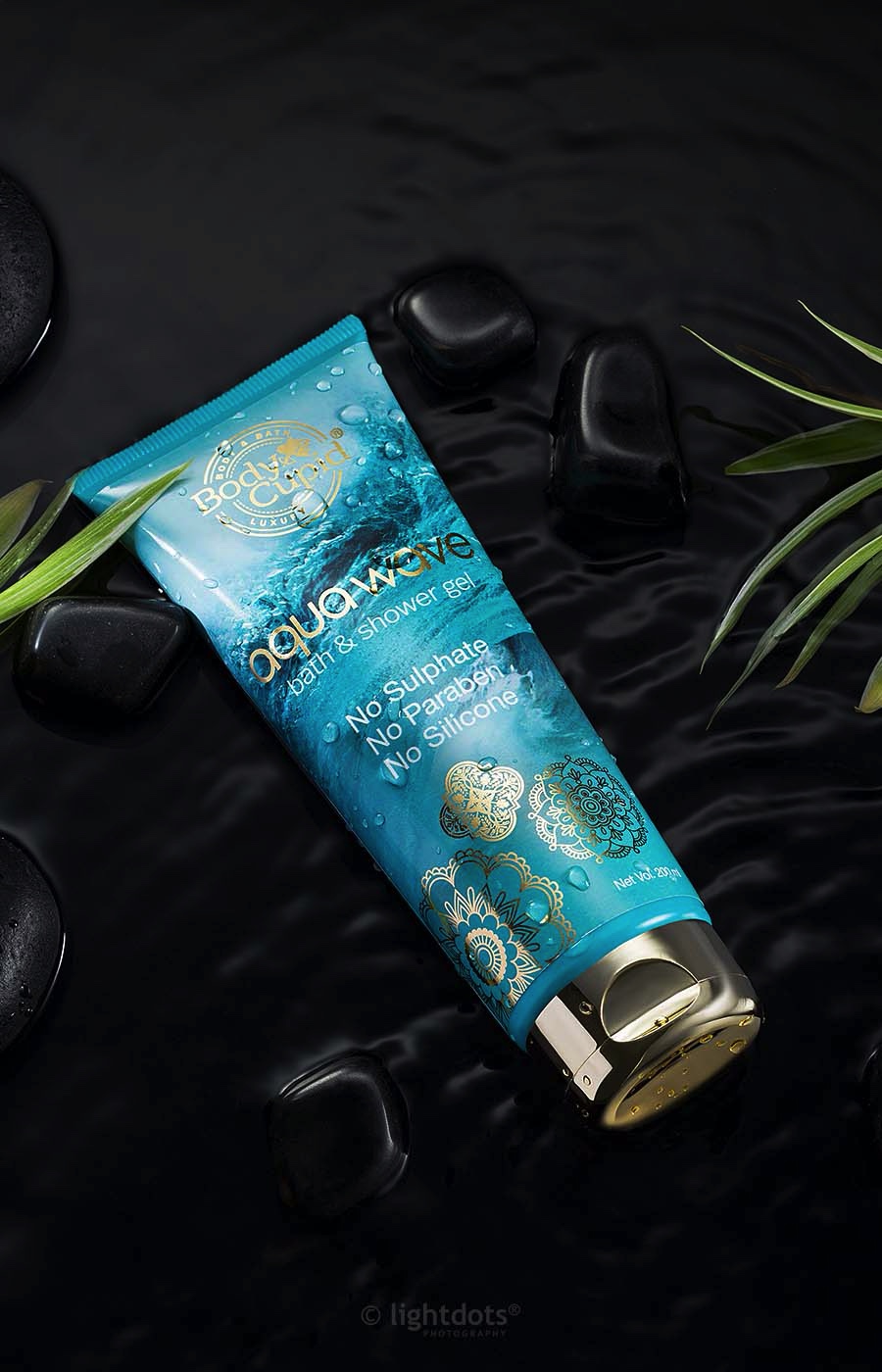
10 Tips for Capturing Delicious Product Photos That Sell
Creating stunning product photos is essential for enticing customers and boosting sales. Here are 10 tips to help you capture delicious images that stand out:
- Lighting is Key: Natural light can work wonders for your food products. Aim for soft, diffused daylight to showcase colors and textures without harsh shadows.
- Choose the Right Background: A clean, uncluttered background makes your product the star of the show. Consider using white or neutral colors to provide a fresh backdrop.
- Use Props Wisely: Incorporate props that complement your product, like utensils or ingredients, to add interest without being distracting.
- Focus on Details: Highlight textures and intricate details with close-up shots. Use a shallow depth of field to create a beautiful blur effect.
- Experiment with Angles: Don't be afraid to try different perspectives. Overhead shots often work well for meals, while eye-level can be great for baked goods.
As you refine your skills, remember these additional tips:
- Style Your Food: Make your product look as appealing as possible. This might involve adding garnishes or using fresh ingredients.
- Post-Processing: Utilize editing software to enhance colors and brightness, ensuring your photos reflect the product's true appeal.
- Consistency is Important: Maintain a consistent style across all your product photos to help create a recognizable brand identity.
- Test and Iterate: Don’t hesitate to seek feedback and adjust your approach based on what resonates with your audience.
- Tell a Story: A great product photo not only showcases the item but also tells a story, inviting customers to imagine enjoying it.
The Art of Food Styling: Making Your Products Look Irresistible
The art of food styling is a crucial aspect of food photography that can significantly enhance the appeal of your culinary creations. By thoughtfully arranging the elements on the plate and considering colors, textures, and shapes, you can create a visual feast that captivates your audience. Utilize props such as rustic utensils, elegant tableware, and fresh ingredients to complement your dish. Additionally, pay attention to lighting; natural light is often the best choice to bring out the vibrant colors and intricate details of your food.
To truly master food styling, it’s important to experiment with various techniques. Here are a few tips to get you started:
- Choose the right plate: The vessel can make or break your presentation.
- Layer your ingredients: Add depth by stacking or layering components to create a more dynamic composition.
- Garnish wisely: A sprinkle of herbs, a drizzle of sauce, or a vibrant edible flower can elevate your dish.
By applying these techniques, you can transform your products into irresistible works of art that are not only pleasing to the palate but also to the eyes.
How to Use Color and Composition to Enhance Your Product Images
When it comes to enhancing your product images, the thoughtful use of color is essential. Color can evoke emotions and influence purchasing decisions, making it important to select a palette that aligns with your brand and resonates with your target audience. For example, warm colors like red and orange can create a sense of urgency, while cool colors like blue and green typically convey trust and calmness. Additionally, consider using contrasting colors to make your product stand out in the image, which helps draw attention and showcase the product's features more effectively.
Composition is another key element that significantly affects the perception of your product images. Implementing techniques like the Rule of Thirds can create a balanced and visually appealing layout. By placing your product off-center and aligning it with the intersection points of an imaginary grid, you can create a more dynamic image. Furthermore, experimenting with angles and perspectives can add depth and interest to your shots. Don't forget to consider negative space; leaving room around the product can help focus the viewer's attention on it, thus enhancing its impact in the overall composition.