Unlocking Mental Clarity: 5 Tools to Organize Your Thoughts
In today's fast-paced world, maintaining mental clarity can feel like an uphill battle. With a constant influx of information and daily distractions, it's essential to have effective tools to help you organize your thoughts. Here are five powerful strategies that can help you unlock the mental clarity you seek:
- Journaling: Writing down your thoughts can significantly declutter your mind. Take a few minutes each day to jot down your ideas and feelings in a journal.
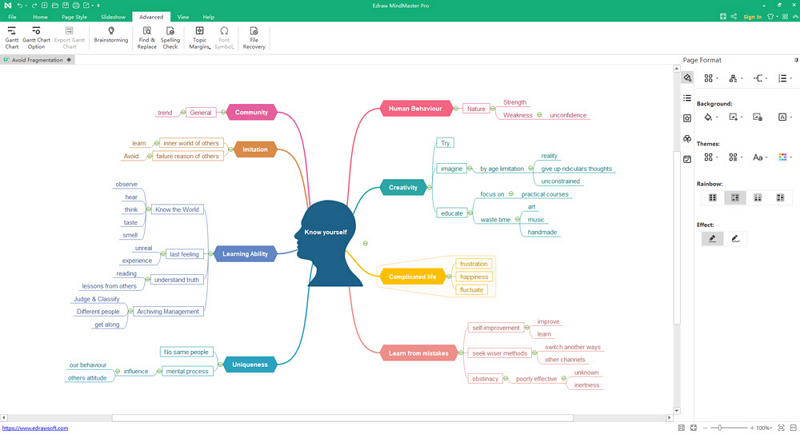
- Mind Mapping: This visual tool allows you to lay out your thoughts in a structured manner, making it easier to see the connections between ideas.
- Decluttering your space: A clean environment can lead to a clearer mind; dedicate time to organizing your physical workspace.
- Meditation: Practicing mindfulness meditation can help clear your mind and improve your focus. Even just five minutes a day can make a significant difference.
- Prioritization tools: Utilize tools like to-do lists or digital planners to prioritize tasks, ensuring you know what to focus on first.
Mind Mapping 101: A Step-by-Step Guide to Visualizing Ideas
Mind Mapping is a powerful technique for visualizing ideas and organizing information effectively. By creating a visual representation of thoughts, you can enhance your understanding and retention of complex topics. To get started, gather your thoughts on a specific subject and write it down in the center of a blank page. From there, draw branches that represent different categories or subtopics related to your main idea. Each subtopic can further branch out into smaller, more detailed ideas, allowing you to explore the connections between concepts and spark creativity.
Follow these step-by-step guidelines to create your own mind map:
- Choose a central idea: Define the main topic you want to explore.
- Use keywords: Write short phrases or single words on the branches to maintain clarity.
- Add colors and images: Incorporate visual elements to enhance memory and engagement.
- Review and revise: After completing your map, take a step back to evaluate how it represents your ideas and make adjustments if necessary.
How to Transform Overwhelm into Action: Effective Strategies for Clarity
Feeling overwhelmed can often lead to paralysis, making it difficult to take the first step towards productivity. To transform overwhelm into action, start by breaking down your tasks into smaller, manageable pieces. Consider using a structured approach such as:
- Identify Priorities: List out the tasks that need attention, and rank them based on urgency and importance.
- Set Time Limits: Assign specific time frames for each task to create a sense of urgency and motivation.
- Focus on One Task at a Time: Shift your attention to a single task to prevent the feeling of being pulled in multiple directions.
In addition to task management, cultivating a positive mindset is crucial. Utilize techniques like mindfulness and deep breathing exercises to center your thoughts and reduce anxiety. Furthermore, remember to celebrate small victories—no matter how insignificant they may seem. This reinforcement can help build momentum and drive further action towards clarity. To stay on track, consider adopting the following practices:
- Daily Reflection: Spend a few minutes at the end of each day reflecting on your accomplishments.
- Accountability Partners: Share your goals with a friend or colleague who can help keep you accountable.
- Stay Flexible: Allow room for adjustments in your plans as needed.