Top 5 Easy Insulation Tips for a Cozy Home
Insulating your home effectively can significantly enhance comfort and energy efficiency. Here are five easy insulation tips that can help you create a cozy atmosphere in your living space:
- Check for Drafts: Begin by inspecting windows and doors for any drafts. Use weatherstripping or caulking to seal gaps and prevent cold air from sneaking in.
- Insulate Outlets: Don’t forget about your electrical outlets! Installing foam gaskets can help reduce heat loss, making a noticeable difference in your home's warmth.
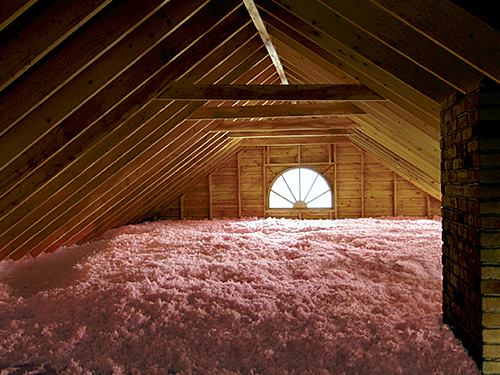
- Upgrade Attic Insulation: The attic is a major source of heat loss. Consider adding insulation to this area to keep your home cozy during colder months.
- Use Area Rugs: Covering your floors with area rugs can add an extra layer of insulation, helping to keep the warmth from escaping through the ground.
- Consider Reflective Insulation: For those living in warmer climates, reflective insulation can be an excellent choice. It helps to reduce heat gain while ensuring your home remains enjoyable year-round.
How to Choose the Right Insulation Material for Your Space
Choosing the right insulation material for your space is crucial for optimizing energy efficiency and comfort. There are several factors to consider when selecting the appropriate insulation, including R-value, material type, and your specific climate. The R-value measures insulation's ability to resist heat flow; the higher the R-value, the better the insulation's performance. Common types of insulation materials include fiberglass, foam board, cellulose, and spray foam, each with its unique benefits and drawbacks.
To help you make an informed decision, consider following these guidelines:
- Assess Your Space: Determine the areas that need insulation, such as attics, walls, or basements.
- Understand Local Climate: Choose materials that are suitable for your climate conditions, whether cold, hot, or humid.
- Evaluate Budget: Cost-effectiveness is key. Some materials may have a higher upfront cost but offer long-term savings on energy bills.
By taking these factors into account, you can find the ideal insulation material that meets your specific needs and enhances your home’s energy efficiency.
Common Insulation Mistakes to Avoid for Maximum Efficiency
Insulation plays a crucial role in maintaining energy efficiency in your home, but many homeowners make common insulation mistakes that can compromise this effectiveness. One frequent error is insufficient insulation coverage. It’s essential to ensure every area of your home is adequately insulated, especially in attics, basements, and crawl spaces. Neglecting these spaces can lead to significant heat loss, which subsequently increases energy bills. Additionally, a lack of attention to the R-value, or thermal resistance, of the insulation used can result in inadequate protection against temperature fluctuations.
Another typical mistake is improper installation. Insulation must fit snugly in the designated spaces without any gaps or compression, as these can diminish its insulating properties. Air leaks, often overlooked, can drastically reduce insulation efficiency. To avoid this, it's crucial to seal any voids or punctures around pipes, vents, and electrical outlets. Furthermore, some homeowners mistakenly choose the wrong type of insulation for their climate; selecting materials that are not suitable for local weather conditions can hinder performance. By steering clear of these pitfalls, you can greatly enhance your home’s energy efficiency and comfort.