How to Create a Balanced Plate: A Guide to Eating Right
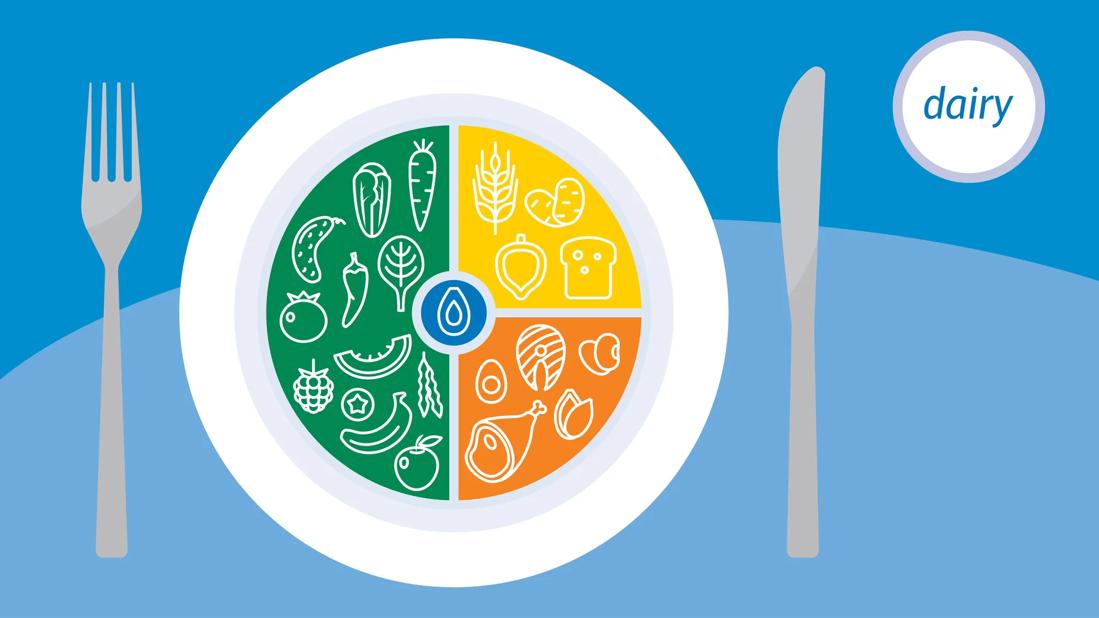
Creating a balanced plate is essential for maintaining good health and achieving nutritional goals. To create a balanced plate, start by visualizing your meal divided into different sections: half of your plate should consist of fruits and vegetables, while the other half should be split between lean proteins and whole grains. Aim to include a variety of colors and textures to ensure you’re getting a wide range of nutrients. By focusing on whole foods like leafy greens, colorful fruits, whole grains like quinoa or brown rice, and healthy proteins such as chicken, fish, or plant-based alternatives, you can make nutritious choices that support your overall well-being.
Another crucial aspect of building a balanced plate is portion control. It’s important to recognize serving sizes to prevent overeating and to ensure you are meeting your dietary needs without excess. Consider using the plate method:
- Fill half your plate with non-starchy vegetables.
- Allocate a quarter for lean proteins.
- Reserve the final quarter for whole grains or starchy vegetables.
The Myth of Eating Less: Why Quality Over Quantity Matters
The common belief that eating less is the key to weight loss and better health has led many to overlook one essential factor: the importance of food quality. While reducing intake may seem like a straightforward solution, it often ignores the nutritional needs of the body. Instead of focusing solely on portion sizes, individuals should emphasize consuming whole, nutrient-dense foods. For instance, a diet rich in fruits, vegetables, lean proteins, and healthy fats can provide the body with the essential vitamins and minerals it requires, promoting not only physical health but also mental well-being.
Moreover, the notion that less is more can lead to unhealthy habits like restrictive dieting, which often results in binge eating or nutritional deficiencies. It's crucial to recognize that quality over quantity matters in making sustainable lifestyle changes. Instead of counting calories, consider incorporating a variety of nourishing foods into your meals. By prioritizing quality nutrition, you can enjoy satisfying portions that keep you full and energized, ultimately transforming your relationship with food for the better.
10 Nutrient-Dense Foods to Enhance Your Meals and Happiness
Eating nutrient-dense foods is one of the best ways to enhance both your meals and your overall happiness. These foods pack a powerful punch of vitamins, minerals, and other beneficial compounds that not only nourish your body but also elevate your mood. From leafy greens to protein-rich sources, incorporating a variety of nutrient-dense options can lead to improved health and wellness. Here are ten foods that you can easily add to your meals to boost their nutritional value:
- Spinach: Rich in iron and magnesium, excellent for energy levels and mood.
- Quinoa: A complete protein that supports muscle maintenance and promotes fullness.
- Blueberries: Packed with antioxidants, they boost brain health and reduce stress.
- Salmon: High in omega-3 fatty acids, beneficial for heart health and reducing inflammation.
- Red Bell Peppers: Loaded with vitamin C, they enhance the immune system and brighten your meals.
- Sweet Potatoes: A great source of fiber and vitamins, they provide sustained energy.
- Nuts: Rich in healthy fats and protein, perfect as snacks to improve mood.
- Greek Yogurt: Packed with probiotics for gut health and provides a creamy texture.
- Kale: A superfood that is full of vitamins K, A, and C, enhancing digestion.
- Chickpeas: A versatile legume that is a great plant-based protein option.